
3 Aug 2026
How to choose ADR lamps for a tanker? Key standards and requirements for the transport of dangerous goods
Choosing the right components for vehicles transporting dangerous goods requires strict compliance with rigorous safety regulations. Professional ADR lamps are specially designed lighting products that help prevent electrical sparks and excessive housing temperatures in potentially explosive atmospheres. When transporting fuels, gases or liquid chemicals, even the smallest electrical short circuit can lead to catastrophic consequences. For this reason, ADR-compliant lighting must feature complete sealing, the highest ingress protection ratings of IP68 or IP69K, and certified resistance to chemicals. By choosing dedicated lamps, you are investing in reliable fleet operation and full compliance with the international European agreement governing the road transport of dangerous goods.
What are the key features of specialised ADR lighting installed on tankers?
The transport of chemicals and fuels places extreme operational demands on electrical equipment. When choosing lamps for tankers, you should pay particular attention to the housing design, which is coated with materials resistant to fuels, solvents and cleaning chemicals. The plastics used to manufacture the lenses must not react with the transported cargo or become cloudy when exposed to vapours. Another key consideration is the complete isolation of electronic components from the surrounding environment, where flammable gases may be present. Dedicated tanker lighting is equipped with special cable glands and crimped conductors, eliminating the risk of moisture or vapours penetrating the inside of the lamp housing.
A very important design parameter is limiting the heat emitted by the operating light source. Traditional incandescent lamps generated significant heat, causing the lens to become very hot, which in an explosive atmosphere created a direct risk of ignition. Modern LED lamps eliminate this problem thanks to their high energy efficiency and effective heat dissipation systems. As a result, the housing maintains a safe operating temperature even during many hours of operation while the vehicle is stationary or during loading. Choosing lamps with a well-designed thermal architecture enables the vehicle to be operated safely in the most demanding hazardous-area conditions.
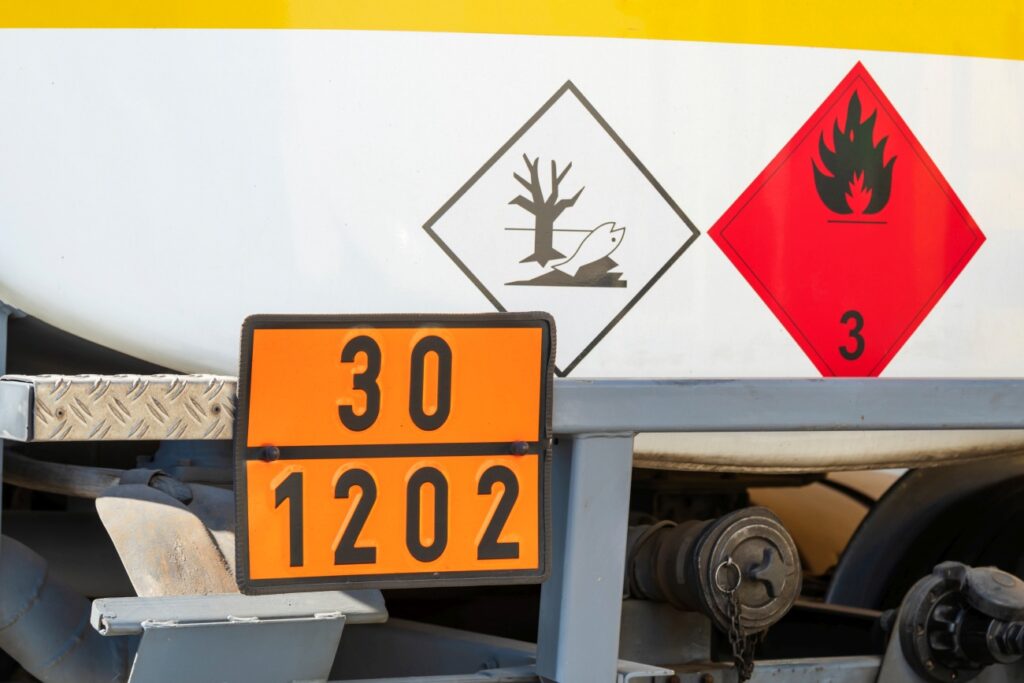
Legal requirements and technical standards – what requirements must tanker lamps meet?
ADR approval imposes a number of rigorous tests on lighting manufacturers to confirm the safety of lamps in use. FL, EX/II and EX/III vehicle types require the use of electrical equipment with a clearly defined protection class. You must ensure that the ADR lamps you choose bear clear approval markings on the lens or housing. The absence of the appropriate certification during a roadside inspection or technical inspection may result in the vehicle being immediately taken out of service. Compliance with ECE R10 standards for electromagnetic compatibility additionally ensures that the operation of the LEDs does not interfere with the tanker’s onboard electronics.
An important aspect of the regulations is also the way the electrical installation connecting individual lighting points is routed. Power cables must have an additional protective coating to protect the conductors from abrasion and mechanical damage. All plug connections should be made using sealed technology, with hermetic connectors such as Superseal or AMP. It is important to note that purchasing a certified lamp alone is not enough if it is connected incorrectly. Proper installation using dedicated accessories ensures the reliable operation of the entire electrical system of the trailer or vehicle body.
Types of lamps used on tankers and for the transport of dangerous goods
A fully configured tanker lighting system includes a wide range of lighting points designed for different purposes. Among the most important are rear combination lamps, which signal braking, changes of direction and reversing. Equally important are marker lamps installed along the upper and side edges of the tank, defining the vehicle’s dimensions in the dark. In tanker working areas, sealed work lamps approved for use in hazardous areas are indispensable. The system is complemented by license plate lamps and warning beacons.
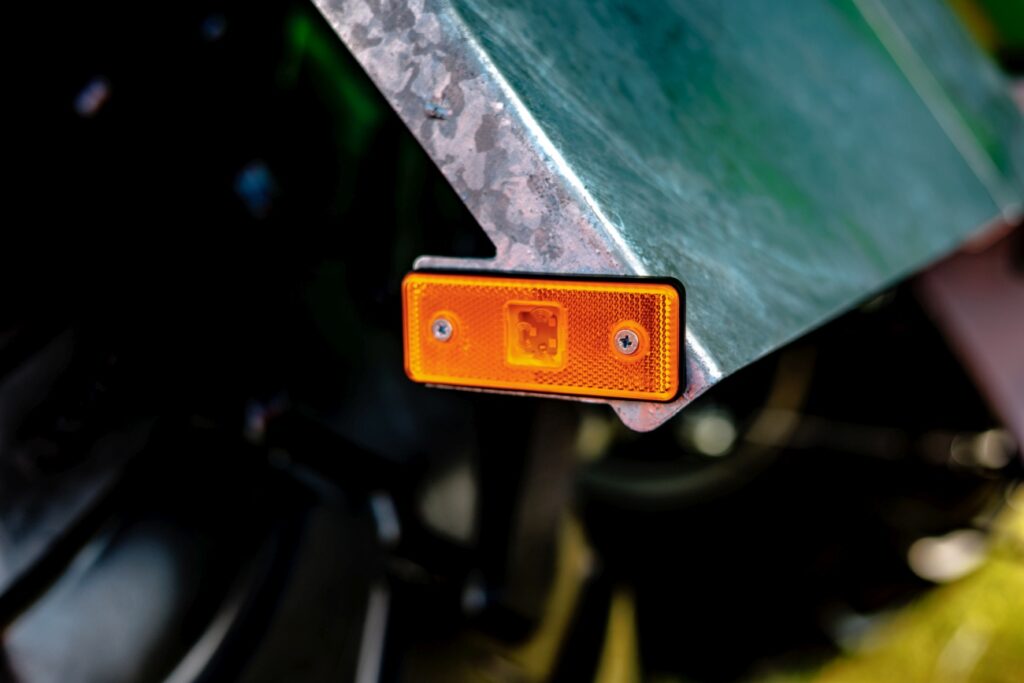
When transporting liquid fuels, the vehicle’s side visibility when navigating intersections is extremely important. Side-mounted ADR lighting installed on the trailer frame allows other drivers to spot a long truck combination at an early stage. Marker lamps equipped with reflective elements retain their warning properties even when the ignition is switched off. When selecting side lighting, check the mounting spacing and light distribution angles required by UNECE regulations. The precise positioning of lighting points on the tanker significantly improves safety levels in both urban and non-urban traffic.
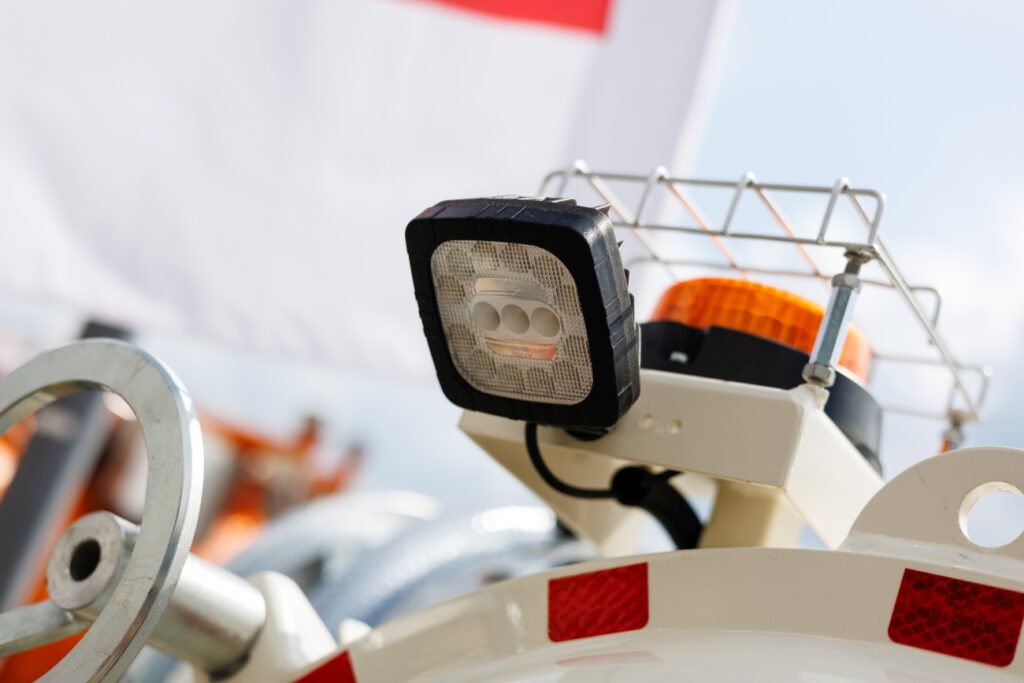
Why is LED technology revolutionising ADR lamps for tankers?
The transition from traditional filament bulbs to LED modules has brought a breakthrough in the reliability of fleet lighting. By choosing modern ADR lamps with LED technology, you get lighting equipment that is highly resistant to shocks and vibrations affecting the tanker frame. Damage to bulb filaments caused by vibrations was previously one of the most common causes of sudden lighting failures on the road. LED light sources can offer a service life of several tens of thousands of hours of continuous operation without the need for servicing. For fleet owners, this means a significant reduction in vehicle downtime and lower costs associated with replacing damaged components.
The low heat emission of LED diodes directly contributes to fire safety in the vicinity of discharge valves. LED modules fully encapsulated in resin are effectively protected against the ingress of liquids and gases. Even if the external lens is mechanically damaged, the LED circuit remains isolated and protected against the risk of sparking. The lower power consumption of LED systems also reduces the load on the alternator and batteries of the truck. This energy efficiency allows complex lighting systems to be powered reliably without the risk of voltage drops.
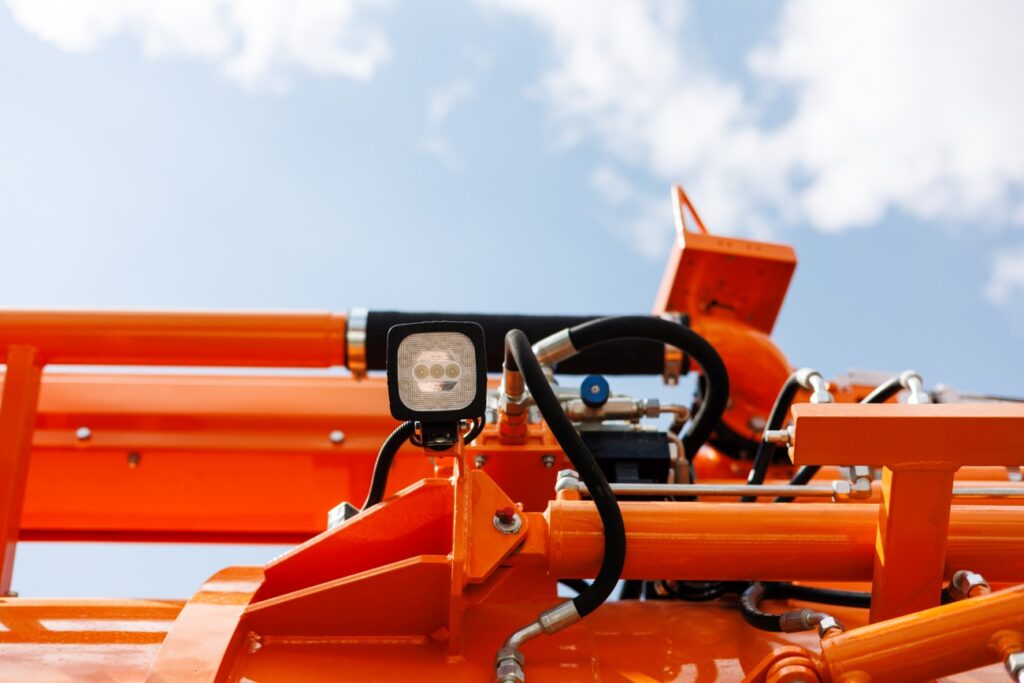
How to properly select and install lighting on a tanker?
Before making a purchase, you should carefully analyse the technical specifications of the dangerous goods being transported. Tankers designed to carry liquid fuels have different requirements from vehicles intended for liquefied gases. When selecting tanker lamps, check the required IP protection rating and the temperature class of the housing. Always choose lamps designed for the specific mounting area on the vehicle – front, side or rear. A well-considered selection of components eliminates the risk of installation errors and problems during unannounced roadside inspections.
Installation itself should be carried out by qualified electromechanical personnel in accordance with the manufacturer’s guidelines. Remember to use original seals and the factory mounting points provided in the lamp’s design. Incorrect tightening of the mounting screws may cause the housing to deform and result in the loss of its declared sealing properties. All connecting cables should be routed through protective conduits, away from moving suspension components. Once installation is complete, perform photometric tests and check that all lighting functions are operating correctly.
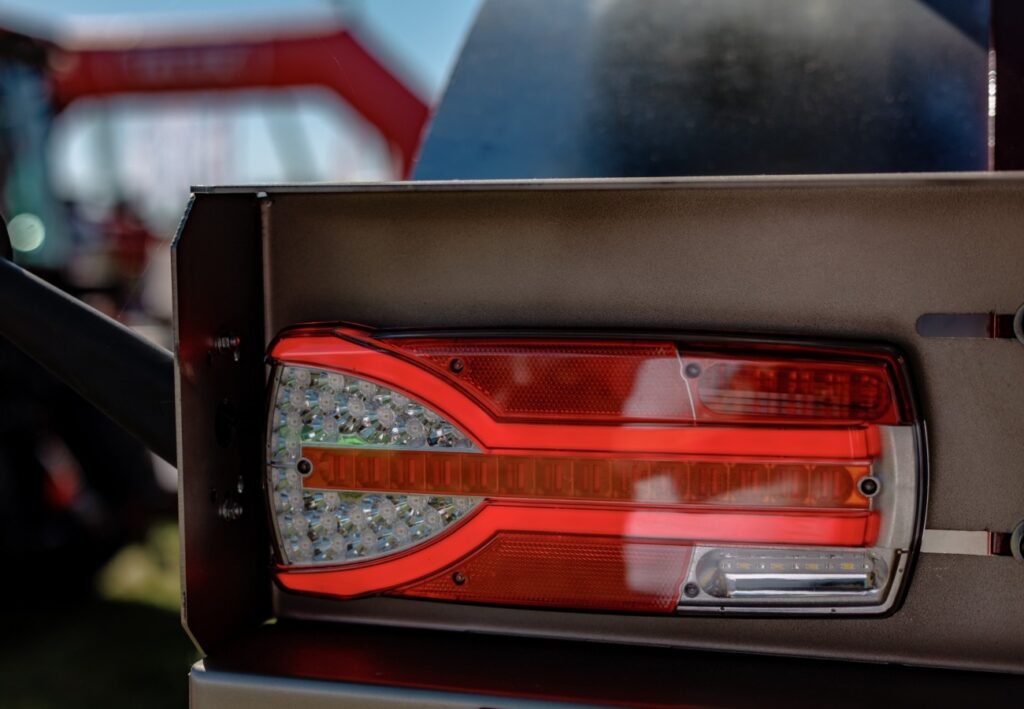
Operation and maintenance – how to care for ADR lamps on a tanker?
Even the highest-quality ADR lamps require regular technical inspections during the daily operation of a fleet. When washing the tanker, avoid using aggressive cleaning agents that are strongly acidic or alkaline. Polycarbonate lenses should be cleaned with water and a mild detergent using soft cloths. Using high-pressure washers from a very close distance may damage the seals of the cable glands or housing connections. Keeping light-emitting surfaces clean ensures that the required visibility parameters are maintained on the road.
Periodically check the condition of electrical connections for any signs of corrosion or contact oxidation. If you notice any cracks in the lens caused by stone impact, replace the lamp with a new one immediately. A leaking lamp may lose its protective properties against explosive atmospheres and become a direct safety hazard when transporting chemicals. Keep spare lamps suitable for your trailers in stock to eliminate transport downtime. Regular maintenance is the simplest way to avoid costly penalties and ensure the continuity of your operations.
Choose reliable ADR lamps for tankers
Safe transport of dangerous goods starts with choosing reliable lighting components. Explore our full range of products and select dedicated ADR lamps that perfectly match the needs of your vehicle fleet. We provide expert technical advice and support in selecting replacements and complete lighting systems for trailers. Check out the related product categories in our online store and equip your tankers with lamps that set industry standards for quality. Choose Polish quality backed by many years of experience and help ensure the safety of your drivers and the goods they transport.
HORPOL research and development facilities – quality backed by experience
By choosing HORPOL products, you are choosing a Polish leader in lighting technology, with a tradition dating back continuously to 1979. Our company has built its position on fully local capital and its own engineering facilities. We have an extensive design and engineering department where we develop innovative solutions tailored to the specific needs of the market. The ADR-compliant lighting we manufacture undergoes rigorous quality testing at every stage of the production process. This gives you confidence that your vehicle is equipped with components offering uncompromising durability and the highest standard of workmanship.
At the heart of our research infrastructure is our own photometric laboratory, equipped with state-of-the-art measuring instruments. We use goniometers, integrating spheres and advanced spectroradiometers to accurately analyse the parameters of the emitted light. These measurements allow us to precisely shape the light beam and verify the lamps’ resistance to extreme environmental conditions. We test how materials respond to UV radiation, temperature fluctuations and direct contact with aggressive chemicals. Our technological independence allows us to respond quickly to changing legal standards and the evolving needs of transport operators.
